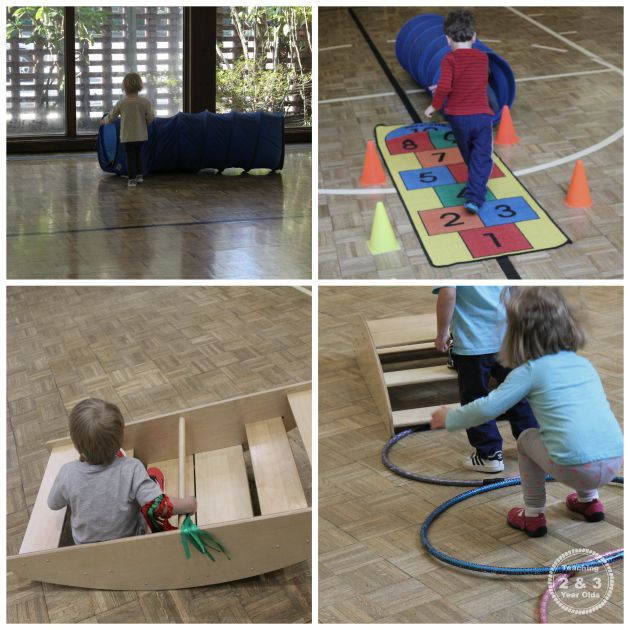
Outdoors
The most successful toddler classroom schedule is simple but well thought out. The teacher takes time to observe how the children use the materials. The teacher notices what they are interested in, what is working, and what is not. The teacher is careful about balancing active and quiet times and tries to have as few transitions as possible, understanding that too many changes can be disruptive to a young child. And even once school begins, even halfway through the school year and perhaps longer, the teacher knows the schedule can be tweaked when it’s apparent that the day is not flowing as it should be. The teacher creates a plan, but knows that it does not have to be set in stone, that ideas can change at the last minute and that’s okay. The teacher plans, but is also flexible. When keeping all of this in mind, a classroom schedule has been created that is developmentally appropriate for these young, curious, energetic children.
Arrivals
We greet our children at the classroom door with warm greetings, the children say goodbye to their parents or caregivers, and we walk them into the classroom.
Free-Choice Centers
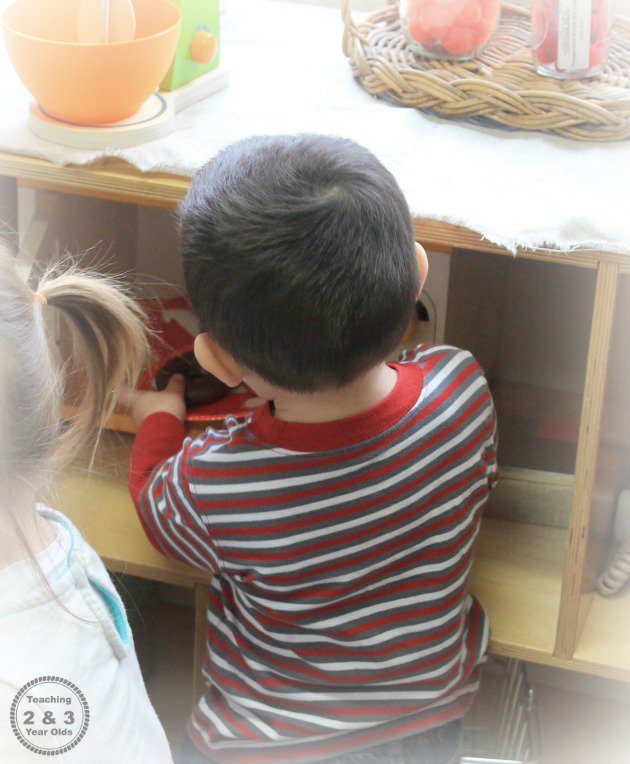
They are not required to be at any center at any given time, but have the freedom to roam and explore at their own pace. The centers provided are:
Reading/Writing Area (Video) Play Dough Table Activities (Video) Dramatic Play (Video) Blocks and Cars (Video) Science Art (Video) Easel Sensory Table (Video)
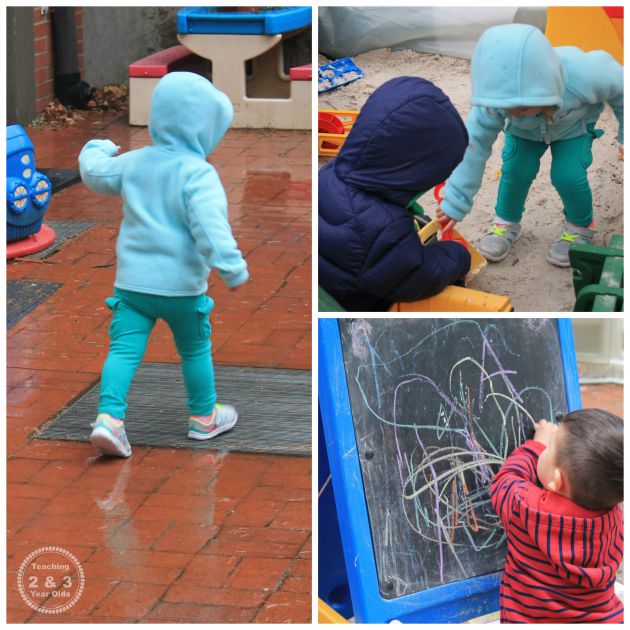
During the last half of centers time, we open the door and the children can go outside. (We have one teacher inside, one teacher outside, and our assistant is wherever we have the most children.)
Clean Up
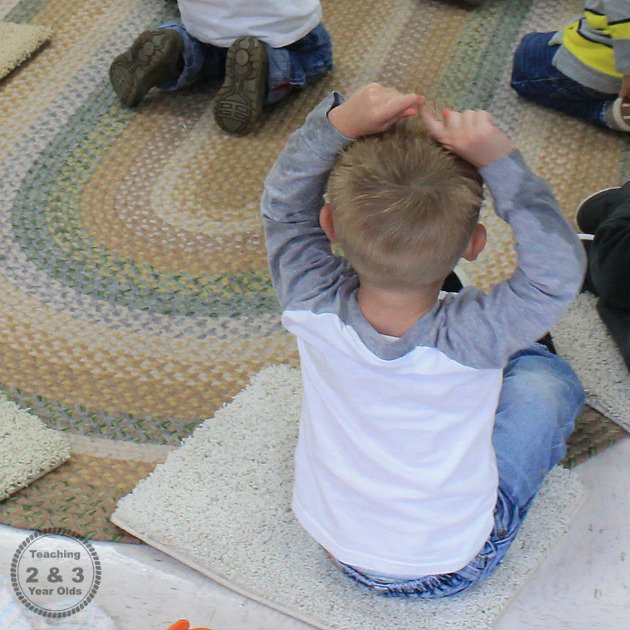
We model how we put the toys on the shelves and tidy the activity tables. We put away our playdough and art supplies and disinfect them since that is where we will have snack. As the year progresses and their attention spans grow, they sit on a carpet square while we read a short story and recite one of ourfavorite finger plays or dance to one of our favorite songs. This gets them used to sitting together and they will be ready for a more formal circle time in the 3 year old class the following year.
Snack
We start from the very first day carefully showing the children how we wash our hands before and after snack, how we sit at the tables, and how we clean up our spots when we are finished.
Gym
Both areas have lots of toys that allow the children to use their large motor skills. We make sure they get at least 30 minutes of time moving their bodies. Music and Movement This might be using rhythm sticks, instruments, dancing scarves, or singing to our favorite songs
Departures
As the parents gather in the hallway, we say goodbye to each other. Looking for an entire year’s worth of learning activities? We’ve done the work for you! I have helped create each of these packets, along with a team of talented educators and homeschoolers. Easy to follow lesson plans include activity modifications and adaptations to meet the needs of all learners. Every theme comes with recommended reading lists, songs, material lists, and more. Click on the graphics below for more details. Toddlers (18 – 36 months):
Preschool (3 – 5 Years):
Here is my Privacy Policy