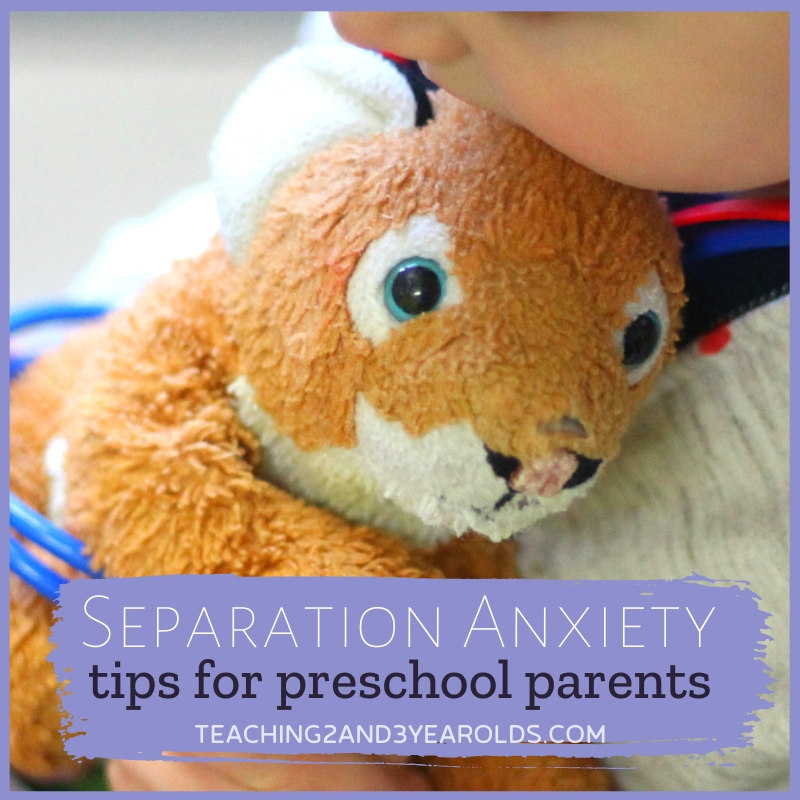
Inside: When it comes to separation anxiety in preschool, you need these helpful tips, given by parents and teachers with experience. Separation anxiety is tough. You parents who are going through it are nodding, perhaps through tears. It’s so hard to leave your babies, especially if they are clinging onto you, not wanting you to leave. And even if you do finally say those good byes and leave, you might find yourself going through the whole thing again the next day, perhaps being even worse. You are looking for separation anxiety tips. You might have done a Google search, desperate to find answers. I hope I can help! I am extremely sensitive to this subject. As a child, I had separation anxiety issues, off and on. I then had 3 children who went through separation anxiety. And now, a teacher for over 15 years, I experience it with my toddler and preschool students. And their parents. It is hard. And I address this with my parents before school even begins. Their biggest fear is that we will make them stay at school while they are crying the entire time. I assure them that we will not. We want this experience to be a positive one. We want them to feel safe and loved. That is our goal starting the very first day we meet them, at open house. ❤️Note: I’ve created some love notes that you can download and send with your child to school! Scroll down to find the link.
How to Deal with Separation Anxiety in Preschool
How we handle separation anxiety in preschool:
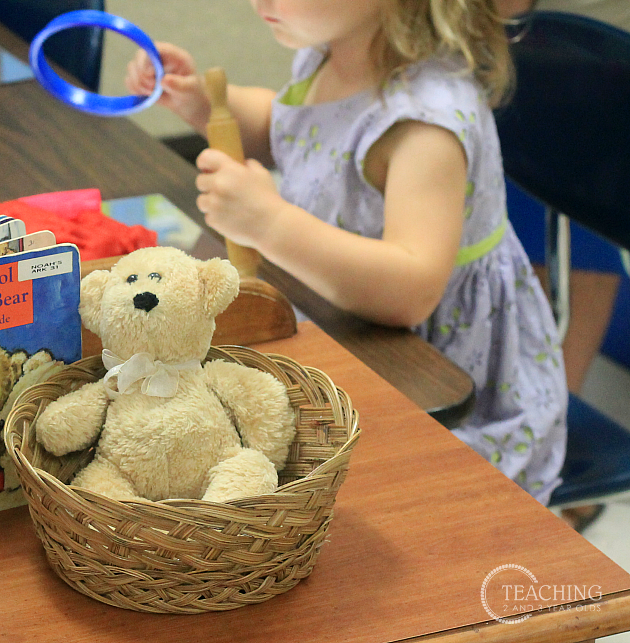
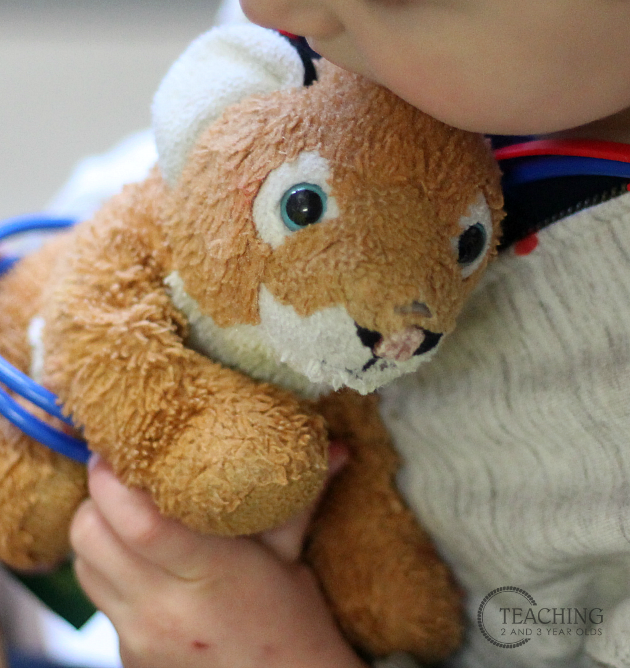
When we open our classroom doors each morning, a teacher greets each child with a warm welcome. We suggest that parents give hugs and love and say their good byes at the door. However, if they feel more comfortable coming into the classroom, that is fine. Whatever they decide, they should be consistent each day. We’ve also found that shorter good byes seem to be easier. We help by gently taking the child, giving him love, and getting him involved in an activity. This gets easier as the year goes on because we have a good idea what activities they enjoy. If a parent says good bye to a tearful child, we will send a text and photo showing their child happily engaged in an activity. This is probably the biggest comfort to parents. I clearly remember leaving my tearful preschooler and wondering all morning if he stopped crying. That was back before text messages, so I’d actually call the school. I needed to be told that my child was no longer crying. I will never forget that feeling, so I know how my toddler and preschool parents are feeling. If a child is having a real hard time, we will call the parent. We’d rather have a shorter day, hoping that the next day we can go a bit longer. We do allow lovies in the classroom, such as stuffed animals. Usually within an hour the lovie is abandoned so we will slip it in the child’s cubby. We can always retrieve it if the child needs it again. The main thing is to let parents know that you are sensitive to the situation.
How others handle separation anxiety in preschool:
I decided to ask my Facebook readers how they’ve handled separation anxiety. Some answers were from parents and some from teachers. Here’s what they had to say:
Separation anxiety advice from parents: Practice runs, reassuring they are safe and that you will indeed come back. – Julie C. We had a little angel pin for him that made tough days better – I’d pin it to his shirt to remind him that mommy loves him. Then by December he’d made some friends and he was way more excited to go spend time with his friends. Still didn’t always want to leave me, but wanted to spend time with his friends enough that all was well. – Heather W. A “lovie” worked for my son! He got super attached to his cow cow but it was the only thing that worked. – Kelly E.
I gave my son a worry rock. He’d give it a squeeze when I was about to go. I think the main thing for him was also to keep busy, if he was distracted goodbyes were a lot easier! – Lilly D. I drew a smiley face on her hand and she drew one on mine, so when we missed each other we could look at the face! -Candy B. My son’s teacher was great. She had a routine to distract him, feeding the classroom frog and guinea pig. Those distractions seemed to work the best. – Erica B.
I made a key ring with a photo of myself on one side and daddy on the other side and attached it to the button hole of her cardigan each day. I told her if she felt sad she could look at us and know we were thinking of her and we would be back soon. – Tas W.
Separation anxiety advice from teachers: I tell parents on the first day that I recommend short goodbyes and long hellos. Make goodbye quick, no more than 5 minutes. There will be tears but we stay with the child comforting him and letting him know they are heard and that they are safe and loved. When the parents pick up, I tell them to walk with their child around the room and spend some time in the classroom.” – Diane C. At pre-school where I now work we suggest a comfort toy or blanket, a photo of family or something that mum will need later so they know she will come back. We let parents/carers know they can phone us at any point to see how their child is getting on and sometimes give them a slightly earlier collection time which is gradually extended as the child settles. – Kelly F. Consistency with the parent and teacher is crucial. Decide on a routine and stick with it. – Rachelle L. As a teacher I know that, for most kids, when the parents are confident and comfortable with the idea of leaving their kids at school, the toddlers adapt faster. – Gabi C. We have a family wall where kids bring photos of their families and hang them up so they can see them when they get overwhelmed. – Christina C. Best solution I’ve had on both parents and teachers side is all about routine. Routines help child have some level of control of their day and help them to know what’s coming next. I always had the same routine/schedule all day and my students always knew what was coming next and when their parents were coming back. – Kathryn J.
Related post: The Secrets to Handling Transitions in the Classroom
Parents should try to have a steady routine in the morning before drop off and a relatively quick drop off process — don’t linger and let them ask for more time. The longer the drop off the more anxiety about leaving. – Kathryn J. For me, with my 2s and 3s, it helps to engage the kids in some sort of activity right away while mom/dad are still there. They usually are distracted enough that they either don’t cry, or cry very little. – Rachel L.
Most commonly, kids can feel parent’s anxiety…if it’s too hard for you get someone else to drop them off. – Maria E. Put together a teacher made book with a visual schedule so the child has an idea when the parents will come back. – Misty T. Understanding the child’s feelings, too, and letting them know it’s ok to be sad when they leave but remember we will have great fun and they will be back. – Lorna T. I have a communication friendly space (snuggly area with drapes and soft sparkly lights) that the children use if they feel upset. – Helen M.
Download this free feelings printable packet while working through emotions:
More to read:
How to Provide Age-Appropriate Instructions Creating a Kind Classroom Easy Ways to Develop Preschool Communication Skills Here is my Privacy Policy